

September 14, 2026
How London Businesses Can Reduce Waste and Move Towards Zero Waste
Discover practical ways to reduce business waste, improve recycling and control collection costs with a better commercial waste setup in London.
For many UK businesses, waste disposal seems straightforward until something goes wrong. Contaminated bins, rejected collections or unexpected charges are often the result of one simple issue: not knowing exactly what should and shouldn’t go into each bin.
Getting this right isn’t just about organisation. It directly affects compliance, cost and how efficiently your waste is managed day to day.
Many businesses assume all general waste can be handled the same way. In reality, incorrect disposal is one of the most common causes of:
In most cases, the issue isn’t a lack of effort. It’s a lack of clarity around what belongs where.
General waste bins are designed for materials that cannot be recycled or processed through other waste streams.
This typically includes:
However, overusing general waste bins is where many businesses lose efficiency. Items that could be recycled often end up here, increasing costs unnecessarily.
Recycling bins should be used for clean, dry materials that can be processed and reused.
Common examples include:
The key is keeping these materials uncontaminated. Once mixed with food or general waste, they may no longer be recyclable.
Some waste types cannot go into standard commercial waste bins at all and require specialist collection. Understanding these limits is essential to avoid contamination, rejected collections and compliance issues.
These include:
Attempting to dispose of these through standard commercial waste bins can lead to serious compliance issues, rejected collections and potential fines. In most cases, these waste streams require dedicated handling to ensure they are processed safely and in line with UK regulations.
Even well-managed businesses can fall into habits that lead to waste problems.
The most common include:
These issues often build up over time and only become visible when collections are disrupted.
The most effective waste systems are not the most complex. They are the ones that are clear, consistent and easy for staff to follow.
This usually involves:
When waste is easy to manage, mistakes become far less likely.
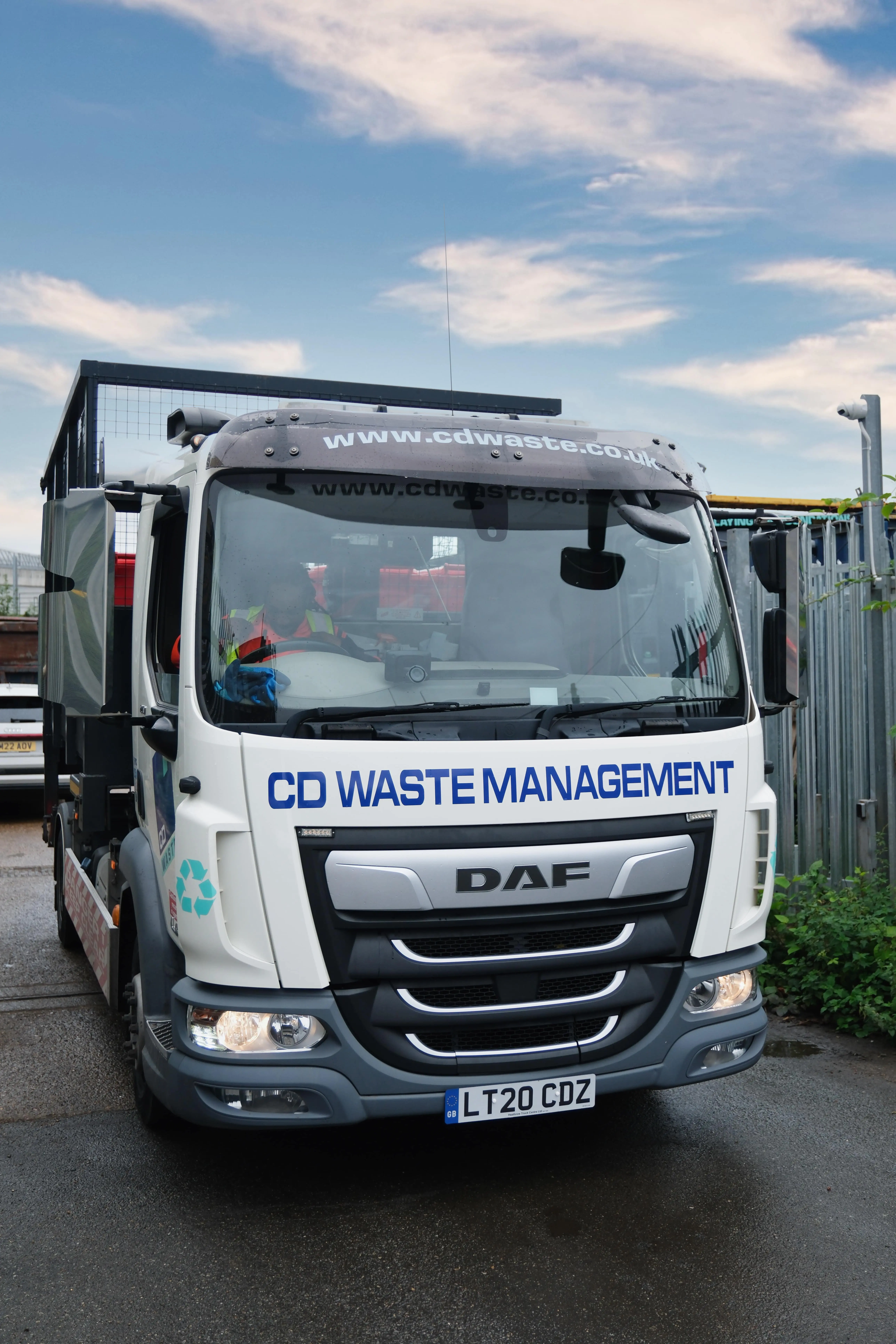
At CD Waste, the focus is on helping businesses create waste systems that are practical, compliant and easy to maintain. By understanding how waste is produced and handled on-site, the right structure can be put in place from the start.
The difference isn’t just correct disposal. It’s having a system that reduces risk, improves efficiency and ensures waste is handled properly every time.
September 14, 2026
August 14, 2026
July 16, 2026
Tell us a little bit about you and the services you require, and well be in touch with a tailored quote.
Stay up to date with the latest industry insights, news, and updates by following our blog and subscribing to our newsletter.


