

September 14, 2026
How London Businesses Can Reduce Waste and Move Towards Zero Waste
Discover practical ways to reduce business waste, improve recycling and control collection costs with a better commercial waste setup in London.
For many UK businesses, waste is dealt with reactively rather than strategically. Bins get emptied when they’re full, collections are arranged when problems arise and over time, inefficiencies build up without being noticed.
The reality is simple: businesses that rely on irregular waste collection are far more likely to experience disruption, higher costs and compliance risks. Regular wheelie bin collections remove that uncertainty and create a system that works consistently in the background.
Waste builds up faster than most businesses expect. What starts as manageable quickly becomes disruptive when collection schedules don’t match real output.
This is where problems typically begin:
In most cases, these aren’t volume problems. They’re planning problems. Without a consistent collection structure, even moderate waste levels become difficult to manage.
UK businesses have a legal duty to manage their waste responsibly. That responsibility doesn’t just apply to disposal, it applies to how waste is handled on-site day to day.
Regular wheelie bin collections help businesses:
Businesses that stay on top of waste don’t just avoid issues, they reduce the risk of inspections becoming a problem in the first place.
There’s no universal collection schedule that works for every business. The key is matching collections to how waste is actually produced.
Offices
Retail
Hospitality
The businesses that operate smoothly aren’t the ones with the most collections. They’re the ones with the right ones.
Waste problems rarely stay small. A slightly overfilled bin or a delayed collection often leads to temporary fixes, moving waste, double handling or waiting it out.
In reality, this is where disruption starts to build.
As waste accumulates:
Most of these issues can be avoided with one simple change: consistent, well-planned collections.
It’s a common assumption that fewer collections save money. In practice, the opposite is often true.
Irregular waste management leads to:
A properly structured collection schedule reduces these hidden costs and keeps everything predictable.
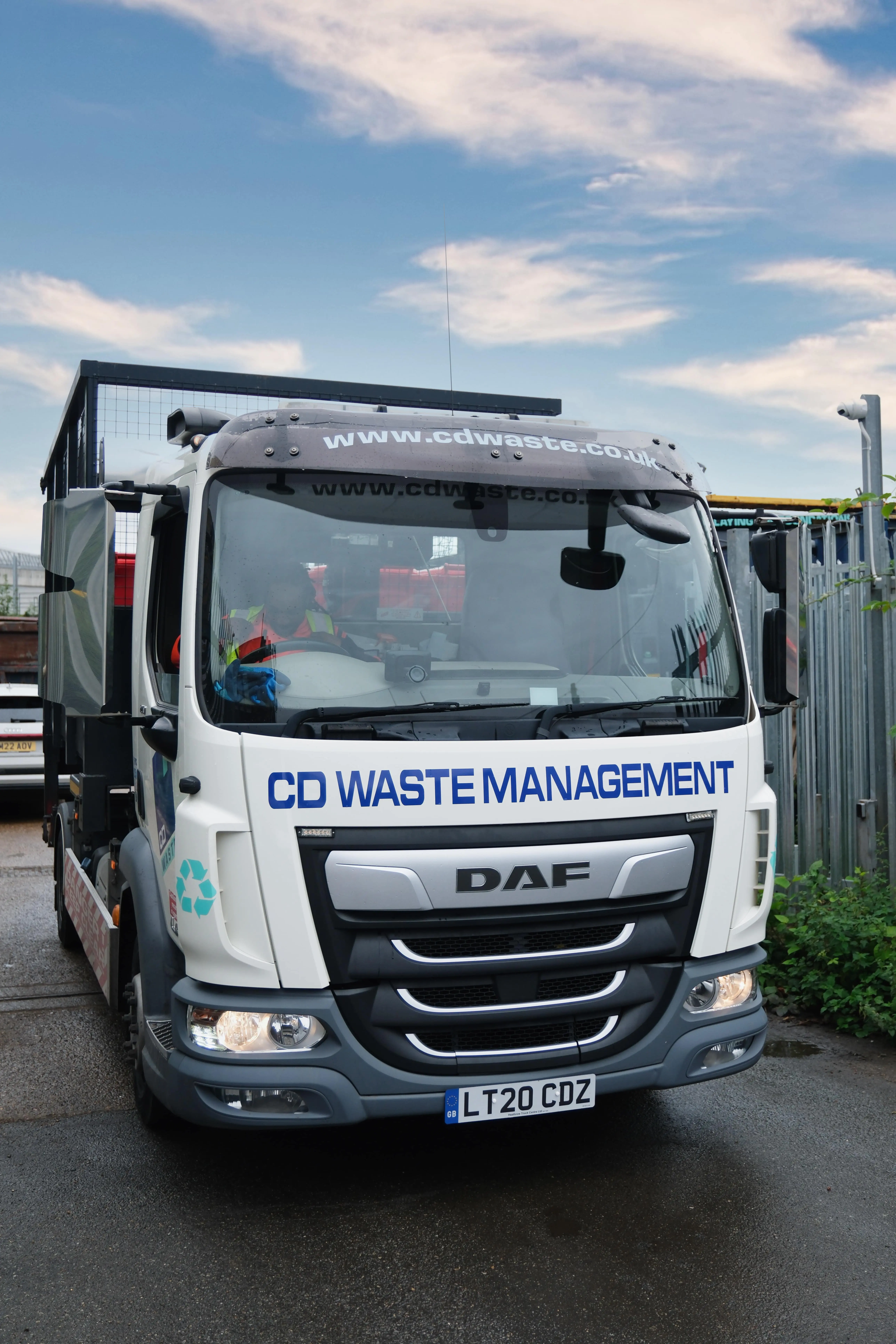
At CD Waste, the focus isn’t just on collecting waste, it’s on making sure the system behind it actually works. That means matching bin sizes, collection frequency and waste types to how each business operates in reality.
The difference isn’t just cleaner spaces. It’s fewer disruptions, better control and a setup that supports the business every day without needing constant attention.
Contact us today! CD Waste – your trusted partner for waste.
September 14, 2026
August 14, 2026
July 16, 2026
Tell us a little bit about you and the services you require, and well be in touch with a tailored quote.
Stay up to date with the latest industry insights, news, and updates by following our blog and subscribing to our newsletter.


